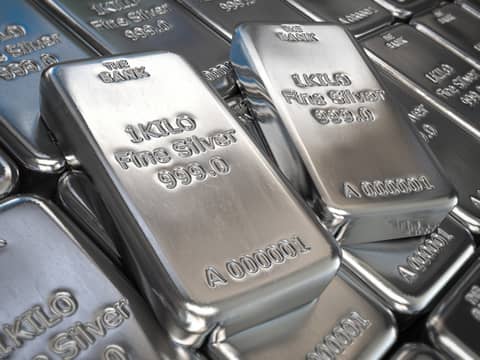
Gold, silver slammed as hawkish Fed repricing reignites dollar upside
Gold and silver had held up surprisingly well against surging US yields. Wednesday’s DXY breakout may have changed that equation.
Stay in step with market opportunities and get insights, actionable trade ideas and dedicated support.
Gold and silver had held up surprisingly well against surging US yields. Wednesday’s DXY breakout may have changed that equation.
Euro has fallen seven of the past nine sessions, with stretched momentum raising the stakes as EUR/USD closes in on a major inflection zone.

The US dollar continued to press higher deep into the European session, supported by the slump in the bond markets as yields broke out across the curve. Following the recent hawkish Fed rate hike, yield spreads between the US and the rest of the world has continually increased, and that motion continued today, helped in part by some forecast-beating US macro data and hawkish Fed commentary.

AUD/USD remains under pressure after breaking key trend support, with the latest decline putting the focus on the next major downside pivot.

The US dollar has extended its gains this morning, even if oil prices finished lower for the fifth consecutive day yesterday. Oil prices have bounced back in this first half of today’s session, causing a bit of pressure on currencies that rely on energy imports such as the euro, pound, Swiss franc, and Japanese yen. But it was the dollar that was exerting the most pressure, amid hawkish FedSpeak. Meanwhile, European indices and precious metals were also under a bit of pressure amid the strength of the dollar.

EUR/AUD and GBP/AUD are coiling near support, with recent correlations suggesting the Aussie’s strength is being driven more by rates, risk and metals than energy.

Sterling has slipped below its 200-day moving average as downside momentum carries GBP/USD toward another major technical support zone.

Donald Trump’s speech at the UN seems to have poured cold waters on any hopes of a deal. Crude oil, the US dollar and bond yields all bounced back from their lows, causing fresh pressure on foreign currencies, European indices and to a lesser degree precious metals.

Breakouts across the SOX and Nasdaq are being matched by rebounds across Asia, with the Nikkei now threatening to join the move.

Gold has started the new week on the back foot after ending a three-week losing streak with gains over the final two sessions of last week. The rebound came as the dollar’s rally stalled and oil prices retreated, while a broader improvement in risk appetite lifted major equity indices and extended Bitcoin’s recovery to $85,000. For now, consolidation is the name of the game, but if the US dollar, bond yields or oil prices start moving higher again then this will negatively impact the price of gold.
The EUR/USD recovered from a modestly weaker start after after spending the last two days of last week in tight consolidation following a sizeable drop in response to a hawkish Fed rate hike in mid last week. The pair was held back as a result of Germany’s regional elections at the weekend, which made the nation’s political picture a little messier. But the downside has been limited owing to expectations of another ECB rate hike this year, and, more to the point, due to the fact oil prices have eased further at the start of this week.
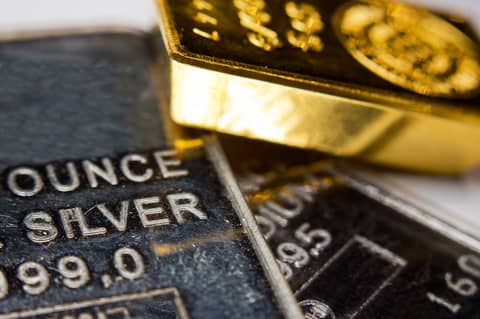
A hawkish Fed, surging short-dated Treasury yields and a firmer dollar failed to deliver the kind of damage usually seen in precious metals.

Heading into the week ahead, the macro calendar is quieter. But for as long oil remains supported, the US dollar forecast will remain bullish. Not only will oil prices be important for determining the direction for the dollar and USD/JPY, but bond yields too, and by extension, risk appetite.